
Moisture & thermal imaging
Moisture before buying: what stains and thermal imaging can tell you
What to ask about water stains, how inspection tools help, and why a thermal scan does not see through walls.
MEX Inspections
A stain is a question, not a diagnosis
When viewing a home in Sayulita, San Pancho or elsewhere in the Riviera Nayarit, take note of water marks on ceilings, bubbling paint and unusual odors. These observations deserve questions, but they do not by themselves establish the source or extent of a moisture problem. A dry-looking surface also does not settle whether a past leak was properly repaired.
Ask for the history
Ask the seller when the mark appeared, whether it returns after rain or equipment use, and what work was performed. Request available repair records. Share those details with the inspector so the visit can focus on the relevant accessible areas. Avoid accepting a new paint finish as the only evidence that the underlying concern has been resolved.
- ✓Was the source identified, or was only the finish repaired?
- ✓Are there photos or invoices from the repair?
- ✓Has the affected area been checked since the work?
What thermal imaging actually shows
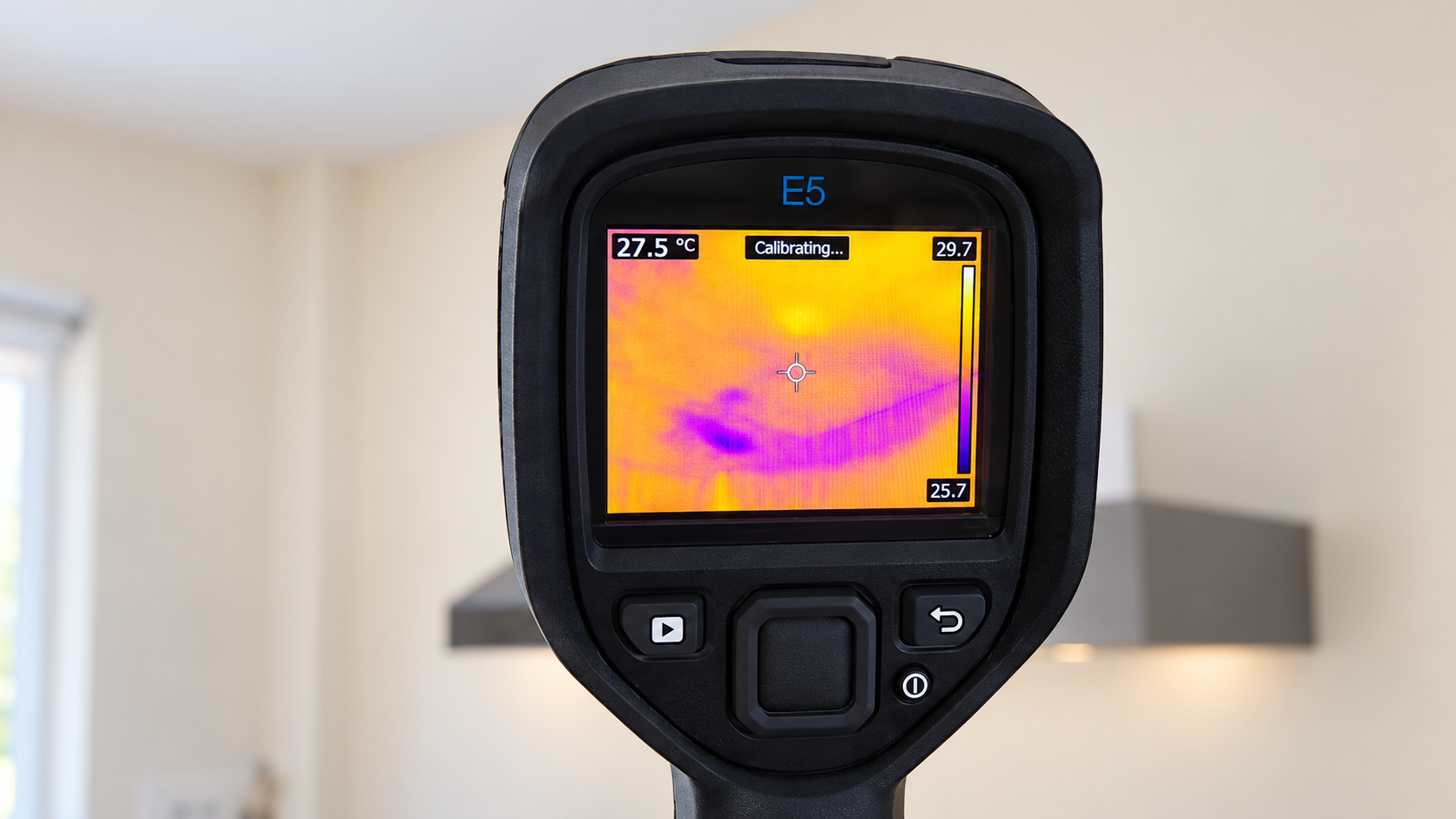
A thermal camera displays surface temperature patterns. Those patterns can help identify areas that warrant closer investigation, including possible moisture-related concerns. It does not see through walls, and a temperature difference is not proof of a leak. MEX Inspections uses thermal imaging and moisture meters as tools alongside visual observations; readings need to be interpreted in context.
Follow the finding to the next step
Ask what was observed, what remains uncertain and whether a qualified specialist should investigate further. Conditions at the time of the visit and access restrictions can limit what is detected. Before budgeting for a cosmetic repair, seek clarification about the possible source and the work needed. An inspection can flag a concern; it is not a laboratory test or a mold identification service.